
Choong-Jang Pattern – Preview & Insights
TKDCoaching’s TKD Patterns Hub provides instructors with clear teaching insights, coaching cues, and step-by-step guidance for every ITF pattern. This page offers an instructor-focused preview of Choong-Jang highlighting key technical details, common errors to watch for, and practical coaching ideas you can apply immediately in class.
Choong-Jang Pattern
Choong-Jang is the second of three ITF Taekwon-Do 2nd degree black belt patterns in ITF Taekwon-Do. With 52 movements and several challenging changes of direction, it is an excellent test of balance, control and pattern rhythm.
Pronunciation: How to pronounce Choong-Jang correctly
Pattern Speed: – 1 minute, 20 seconds
Approximate performance time for the full pattern. Timing varies between practitioners and is provided as an unofficial guide only.
Video Preview
This clip gives a short preview of our full premium video on Choong-Jang. Mr Trotter works on the correct trajectory of the downward strike and punch. Looks simple but the punch to the hand is tricky to pull off.
About Choong-Jang
Choong-Jang is the pseudonym given to General Kim Duk Ryang who lived during the Lee Dynasty, 14th century. This pattern ends with a left-hand attack to symbolize the tragedy of his death at 27 in prison before he was able to reach full maturity.
Key Technical Insights from GM Paul McPhail
Drawing from my ongoing work and research within ITF Taekwon-Do, each pattern in this Hub includes a short set of key technical points — practical reminders practitioners often overlook. These notes are personal insights and are not official ITF Technical Committee statements.
Key Technical Points for Choong-Jang
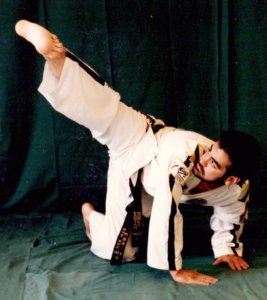 Movement 12. Ground turning kick: Lower knee to about 45 degrees. Kick to side front. Weight mainly on left palm.
- Movement 13. Ground punch: Punch to the centre line.
- Movement 19. Knee front snap kick: Maintain snap-kick motion with brief relaxation.
- Movement 21. Side elbow thrust: Slide a full shoulder width.
- Movement 27. Front snap kick: Grab at the same time as the kick, not beforehand.
- Movement 42. Arc-hand strike: To philtrum height.
Training Suggestions
- Half-pattern drills: Work specific sections cleanly before joining them together.
- Stance-only run-through: Improve balance and stance tracking.
- Video check: Compare your performance with the premium breakdown video.
- Partner coaching: Let partners watch one detail each (stances, height, hands).
Teaching ideas for Instructors
- Emphasise stance consistency, especially during directional changes.
- Have your student perform the ground turning kick sequence deliberately and with control.
- Refine pattern rhythm to avoid pausing after each movement.
Bonus Video
This clip demonstrates the front snap kicks with coaching from Mr Mark Trotter. The Premium version covers deeper detail on rhythm, stance structure and technique refinements.
Background & Interesting Details
Choong-Jang is named after General Kim Duk-Ryang, a loyal military leader during the Yi Dynasty who was unjustly imprisoned and executed, making the pattern a rare example that honours loyalty despite political tragedy.
The pattern’s name is sometimes translated as “loyalty” or “integrity,” but its deeper meaning is unwavering moral principle under pressure.
General Kim Duk-Ryang was posthumously recognised for his loyalty and moral character.
The story behind Choong-Jang serves as a moral lesson that righteousness is not always rewarded in one’s lifetime, yet remains worthy of honour.
Frequently Asked Questions about Choong-Jang
What level is Choong-Jang for?
2nd degree black belt.
How many movements are in Choong-Jang?
52 movements.
Common mistakes?
Uneven stance length, losing balance on pivots, stopping between movements.
How should instructors use this?
Use the clips for quick demos, and refer students to the Premium breakdown for deeper detail.
Full Choong-Jang Breakdown
The full Choong-Jang breakdown includes detailed coaching points, corrections and teaching progressions.
👉 Watch the full Choong-Jang breakdown video (Premium)
More TKD Patterns and Resources
TKD Patterns Hub – patterns and instructor-focused insights
Explore more pattern previews and coaching notes for all 24 ITF tuls.
Related pages:
Insights on All 24 ITF Taekwon-Do Patterns by GM McPhail
Favourite Pattern Survey – we’d love to know what you think
Become a Premium Member
Learn more about our premium membership, and gain access to over 270 hours of video footage plus downloadable resources.