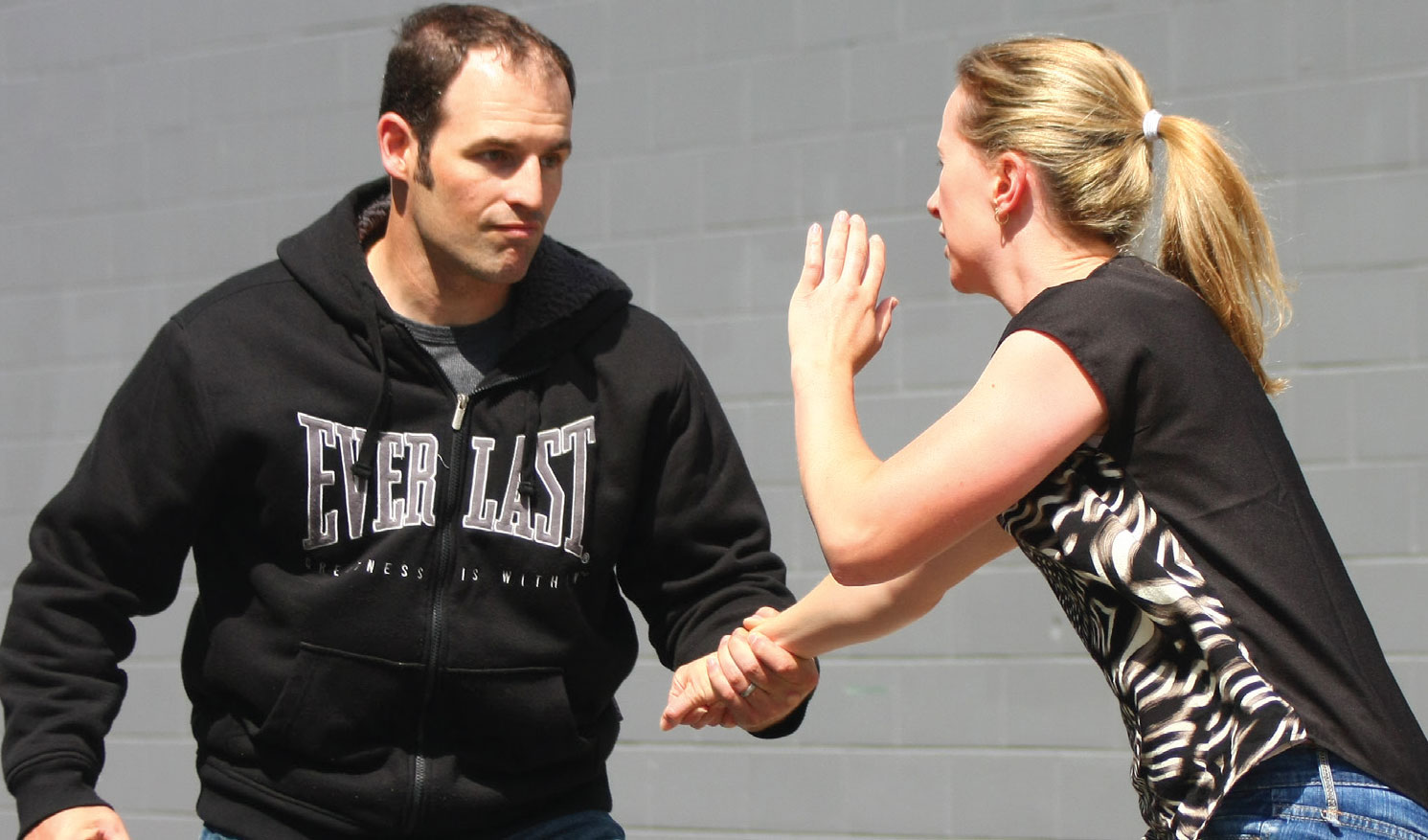
Teaching Self-Defence
 Teaching Self-Defence
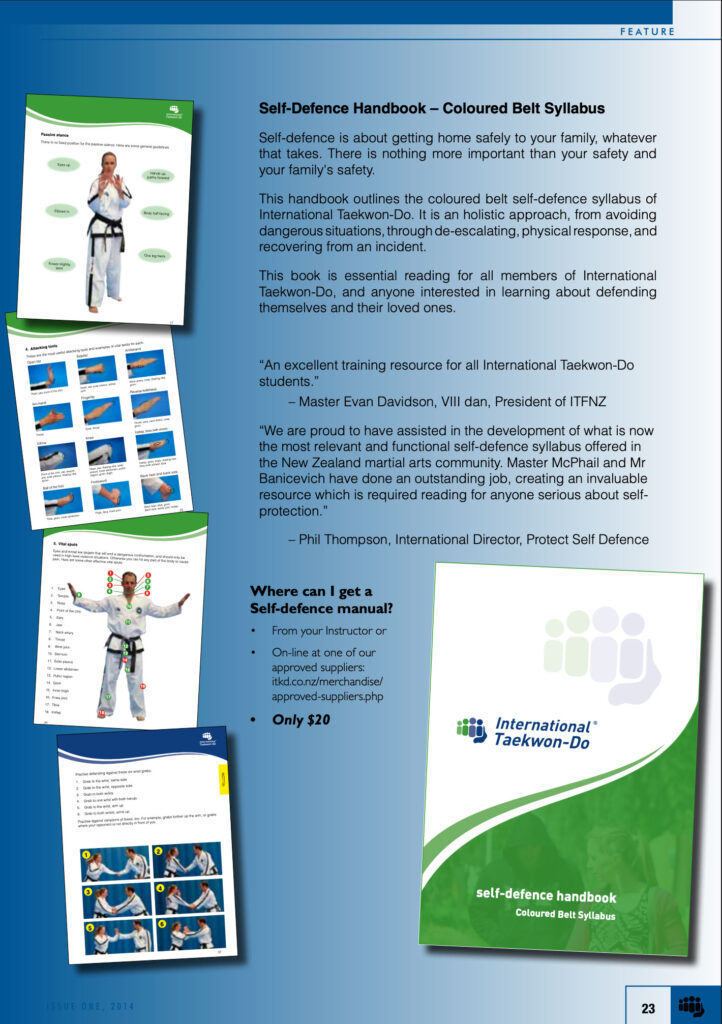
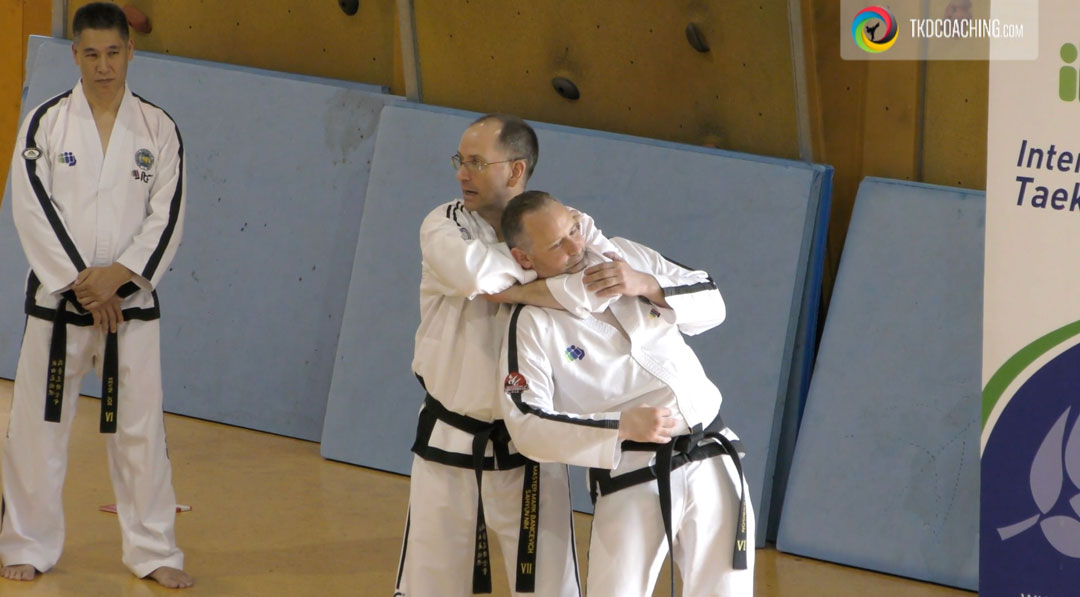
This video takes instructors through a complete one-hour class on how to teach the New Zealand ITF Self-Defence Syllabus. It is a practical, follow-along session that shows you exactly how to run an effective self-defence class from start to finish.
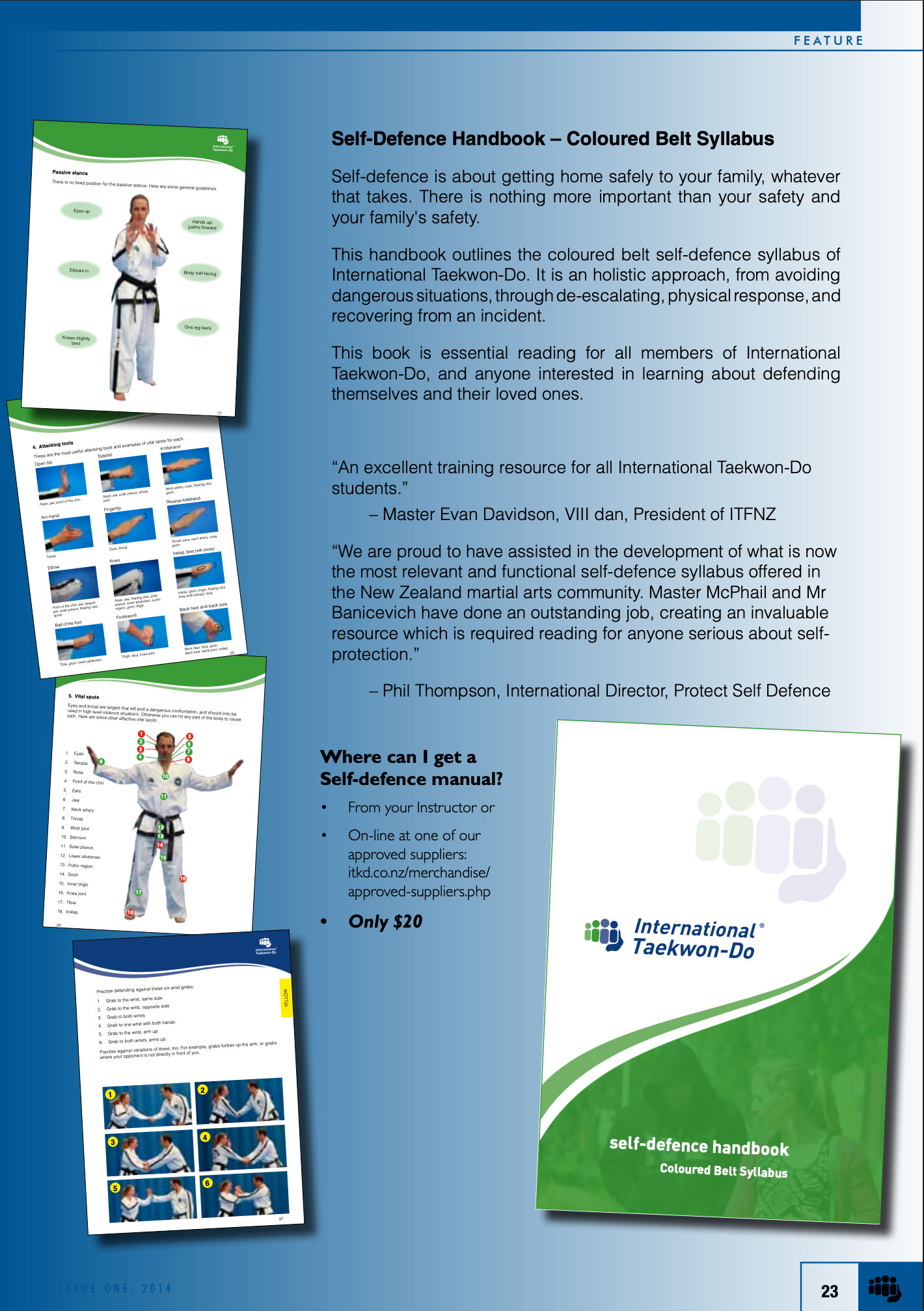
The syllabus is detailed in the ITFNZ Self-Defence Handbook, written by Grand Master Paul McPhail, Master Mark Banicevich, and Mr Phil Thompson. Mr Thompson had worked with ITFNZ for many years, and the creation of this manual was the culmination of that long-standing contribution, developed in close collaboration with the ITFNZ Masters.
In this video, you will see how the written syllabus comes to life on the floor. The class includes practical drills, progressions, and key teaching principles that make the New Zealand ITF self-defence syllabus accessible and effective for all ages and grades.
This session is especially valuable for instructors who want to improve the structure, flow, and delivery of their self-defence classes, and who want their students to understand self-defence as a complete self-protection system—not just a collection of techniques.
What the Video Covers
A systematic approach, demonstrating how to:
- introduce fundamental self-defence concepts in a clear and simple way
- build awareness and decision-making skills before any physical response
- teach realistic defensive responses that match likely threats
- organise drills suitable for any class size and range of abilities
- maintain safety while keeping training engaging and dynamic
- emphasise prevention and avoidance over physical conflict
The session shows real-time class progress, making it easy for instructors to follow the same format in their own dojang. You can watch how the drills are layered, how the explanations are delivered, and how the instructor keeps the session safe, controlled, and purposeful.
Key Concepts from the NZ Self-Defence Syllabus
The video includes practical guidance based on important self-protection principles such as survival assumptions and secondary locations. These concepts are essential for ensuring students understand self-defence as more than just physical techniques and kicks. They help frame the entire New Zealand ITF self-defence syllabus in a real-world context.
Survival assumptions
A critical part of the syllabus is understanding what to assume during any confrontation. Students must never underestimate a threatening situation. The three essential assumptions are:
- the aggressor may have a weapon, even if you can’t see one
- the aggressor may have friends or support nearby
- you are likely being recorded on camera, especially in public spaces
Teaching these survival assumptions keeps students grounded in reality and encourages smart, cautious decision-making. It reinforces that good self-defence starts long before any physical technique is used.
Secondary locations
One of the strongest messages in the syllabus is clear:
Never allow an aggressor to move you to a secondary location.
If an attacker tries to move someone elsewhere, it is because they intend to do something they cannot do in the current location. This is extremely dangerous, and students must learn strategies to avoid being moved at all costs. The video demonstrates how to communicate this clearly and incorporate it into your class discussion and drills.
Why This Video Is Valuable for Instructors
This session provides:
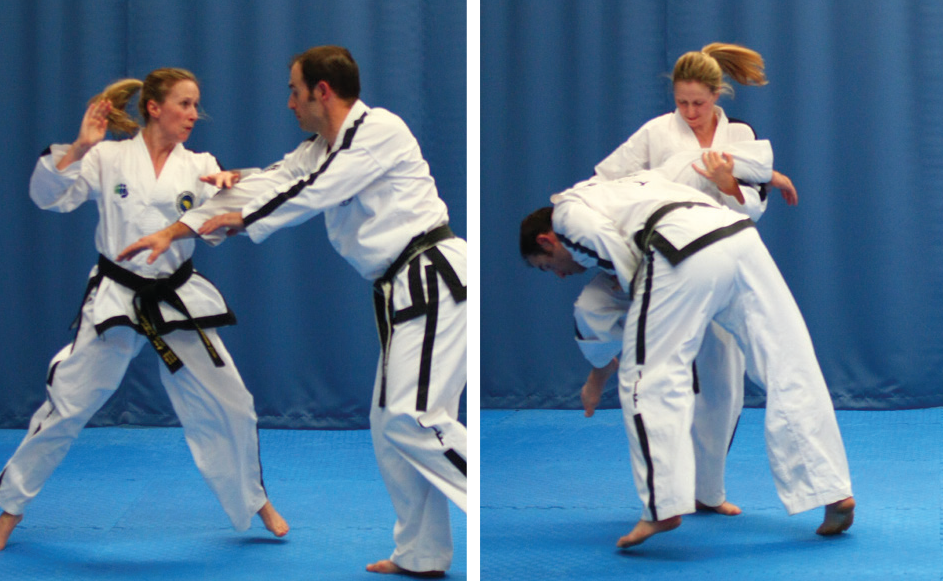
- a full self-defence class plan you can use immediately
- drills and progressions suitable for children, teens, and adults
- cues and explanations that help instructors communicate clearly and confidently
- safety-focused teaching methods that still feel realistic and engaging
- real examples of how to run an effective ITF self-defence class from warm-up to finish
For instructors wanting to improve their confidence and clarity when teaching the New Zealand ITF self-defence syllabus, this video is an excellent resource. It gives you both structure and language you can adapt to your own dojang.
Watch the Seminar
Available now for all TKDCoaching members.
Want the full video? Become a member today →